
Introduction
Advertising has always been the backbone of business promotion. From newspapers in the 1800s to today’s advanced digital ecosystems, the way companies advertise has changed drastically. The concept of advertising formats is central to this evolution. Simply put, advertising formats are the styles, structures, and channels businesses use to communicate their message to an audience. In this article, we’ll explore different advertising formats, their advantages, and why businesses must understand them to thrive in competitive markets.
What Are Advertising Formats?
Advertising formats define how an ad looks, feels, and interacts with its audience. They range from simple banner ads to immersive virtual reality experiences. By choosing the right format, businesses can connect with their ideal customers in the most effective way possible.
Traditional Advertising Formats
- Print Ads
Magazines, newspapers, and brochures still hold importance, especially for local and niche businesses. They offer tangibility and credibility. - Television Commercials (TVCs)
A powerful mass-reaching format, TV ads can shape consumer behavior, though they come with high production and placement costs. - Radio Advertising
Audio ads connect with commuters and local listeners. Jingles and repetitive messages are highly memorable. - Outdoor/Billboards
Billboards, transit ads, and posters capture attention in high-traffic areas. They are effective for brand recall and local promotions.
Digital Advertising Formats
- Banner Ads
Displayed on websites, these are simple yet effective for brand exposure. - Video Ads
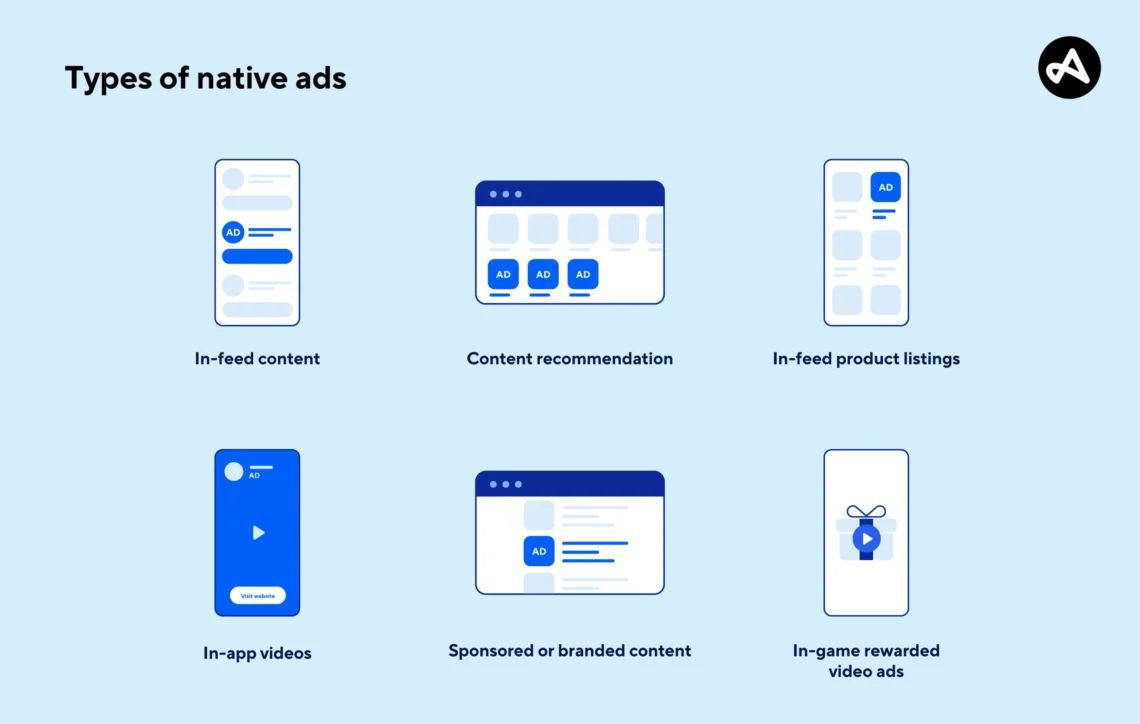
YouTube, TikTok, and Instagram Reels have made video one of the most engaging ad formats today. - Native Ads
Integrated seamlessly into content, they are less disruptive and more trust-building. - Search Ads (PPC)
Appear in search engine results, targeting users actively seeking specific products. - Social Media Ads
Platforms like Facebook, Instagram, and LinkedIn provide highly targeted ad formats based on demographics and interests.
Emerging Advertising Formats
- Augmented Reality (AR) Ads
Brands like IKEA allow customers to place virtual furniture in their homes through AR apps. - Virtual Reality (VR) Ads
Immersive storytelling through VR headsets is creating next-level brand experiences. - Voice Ads
Smart speakers like Alexa and Google Home open new doors for audio-based interactive ads.
Choosing the Right Advertising Format
- Target Audience – Where does your audience spend time?
- Budget – Traditional formats like TV are expensive; digital provides flexibility.
- Campaign Goals – Is it awareness, engagement, or direct conversions?
Conclusion
Advertising formats continue to evolve with technology and consumer behavior. Whether it’s a traditional billboard or a cutting-edge AR campaign, the key is to select the right format that aligns with your brand’s voice and goals