Introduction
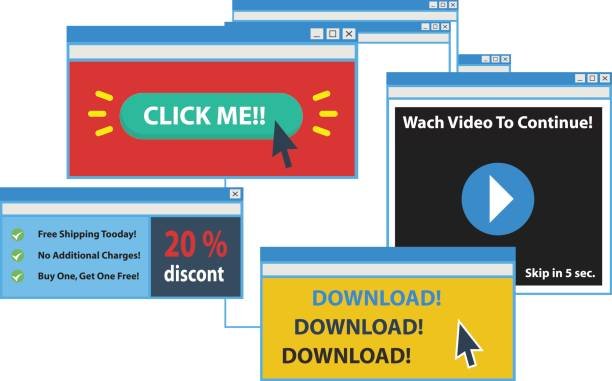
Popup ads have been a major part of digital marketing for decades. These advertisements appear in a separate window or as an overlay on a webpage, often grabbing the attention of users instantly. While many internet users find them intrusive, businesses continue to rely on popup ads due to their effectiveness in generating leads, driving conversions, and improving engagement. Let’s explore what popup ads are, their advantages, disadvantages, and the role they play in today’s marketing strategies.
What Are Popup Ads?
Popup ads are a type of online advertisement that appears on top of the content a user is viewing. They can be triggered by various actions such as entering a website, clicking on a link, scrolling, or attempting to leave the page. Unlike traditional banner ads, popup ads are more aggressive in capturing user attention, which is why they are both praised and criticized.
Types of Popup Ads
- Entry Popups – Appear immediately when a user enters a website.
- Exit-Intent Popups – Triggered when a user is about to leave a page, often used to capture emails or offer discounts.
- Click-Activated Popups – Appear when a visitor clicks on a button or link.
- Scroll-Triggered Popups – Show up after the user scrolls a certain percentage of the webpage.
- Time-Delayed Popups – Activated after a user spends a specific amount of time on the page.
Advantages of Popup Ads
- High Visibility: They demand user attention.
- Lead Generation: Perfect for collecting emails and building subscriber lists.
- Conversion Boosting: Offers and discounts shown in popups can increase sales.
- Customization: Marketers can design targeted popups for specific audiences.
Challenges of Popup Ads
- User Annoyance: Overuse can frustrate visitors and damage brand reputation.
- Ad Blockers: Many browsers and tools block popup ads by default.
- Bounce Rates: Poorly designed popups can drive users away from a website.
Best Practices for Effective Popup Ads
- Keep designs simple and appealing.
- Offer real value (discount, free guide, newsletter).
- Use proper timing (not immediately when a user lands).
- Make closing the popup easy to avoid frustration.
The Future of Popup Ads
With the rise of AI and personalization, popup ads are becoming smarter. Instead of showing irrelevant offers, businesses now target users with personalized content. Interactive popups, gamified ads, and mobile-friendly designs are expected to dominate the future of popup marketing.
Conclusion
Popup ads may have a controversial reputation, but they remain a powerful digital marketing tool. When used correctly—without annoying users—they can generate leads, boost sales, and enhance customer engagement. The key lies in timing, relevance, and value